
Learn Digital Marketing Jobs, roles, skills, salaries, remote opportunities, career steps, and future trends in this complete global guide
Digital marketing has become one of the most important career fields in the modern economy. Businesses of every size now compete online, which means they need skilled people who can help them get seen, attract customers, and grow revenue. That is why digital marketing jobs are in demand across almost every country and industry.
The strong appeal of this field is simple: it is flexible, fast-moving, and accessible. You do not always need a traditional degree to get started. Instead, employers often care about skills, results, and practical experience. As a result, digital marketing can open doors for students, career changers, freelancers, and professionals looking for remote work.
This guide explains what digital marketing jobs are, the main roles available, the skills you need, how to start a career step by step, salary expectations around the world, common beginner mistakes, and where the field is heading next.
[Digital Marketing Basics]
[Career Guides and Job Search Tips]
[Remote Work and Freelancing Advice]
What Are Digital Marketing Jobs?
Digital marketing jobs are roles focused on promoting products, services, or brands through online channels. These channels can include search engines, social media platforms, websites, email, paid ads, and content marketing.
Unlike traditional marketing, digital marketing gives teams more data, faster feedback, and better targeting. That means companies can measure what is working and adjust their strategy quickly.
In practice, digital marketing jobs may involve:
- improving website visibility in search engines
- running paid advertising campaigns
- creating social media content
- writing blog posts and landing pages
- sending email campaigns
- analyzing customer behavior and campaign performance
Because online marketing touches many channels, the field includes both creative and analytical work. Some roles are highly strategic, while others are very hands-on.

Types of Digital Marketing Roles
There is no single digital marketing job. Instead, the field includes many specializations. Here are the most common ones.
SEO Specialist
SEO stands for search engine optimization. An SEO specialist helps websites rank higher in search results on Google and other search engines.
Their work often includes keyword research, content optimization, technical site audits, backlink analysis, and performance tracking. This role is ideal for people who enjoy research, problem-solving, and long-term growth strategies.
Social Media Manager
A social media manager creates and manages content on platforms like Instagram, Facebook, LinkedIn, TikTok, X, and YouTube.
This role involves planning posts, engaging with followers, tracking trends, and building brand awareness. It is a creative job, but it also requires organization and consistency. Social media changes quickly, so adaptability matters a lot.
PPC Specialist
PPC means pay-per-click advertising. A PPC specialist runs paid ads on platforms like Google Ads, Meta Ads, LinkedIn Ads, or YouTube.
This role focuses on generating traffic, leads, and sales efficiently. It is a data-driven job that requires budgeting, testing, optimization, and strong attention to detail.
Content Marketing Specialist
Content marketers create valuable material that attracts and educates an audience. This may include blog posts, guides, case studies, videos, newsletters, and eBooks.
The goal is not just to publish content. The goal is to build trust, answer customer questions, and support the sales process. Strong writing and audience understanding are essential here.
Email Marketing Specialist
Email marketing specialists design campaigns that reach subscribers directly in their inboxes. They write newsletters, automated sequences, and promotional emails.
This role is important because email often delivers high returns on investment. It works best when messages are personal, timely, and useful.
/learn-digital-marketing-2026-2/
Digital Marketing Manager
A digital marketing manager oversees strategy across multiple channels. They often coordinate SEO, paid ads, social media, content, and email marketing.
This job usually requires experience, leadership skills, and a broad understanding of how campaigns work together. It is often a next-step role for professionals who have already worked in one specialization.
Marketing Analyst
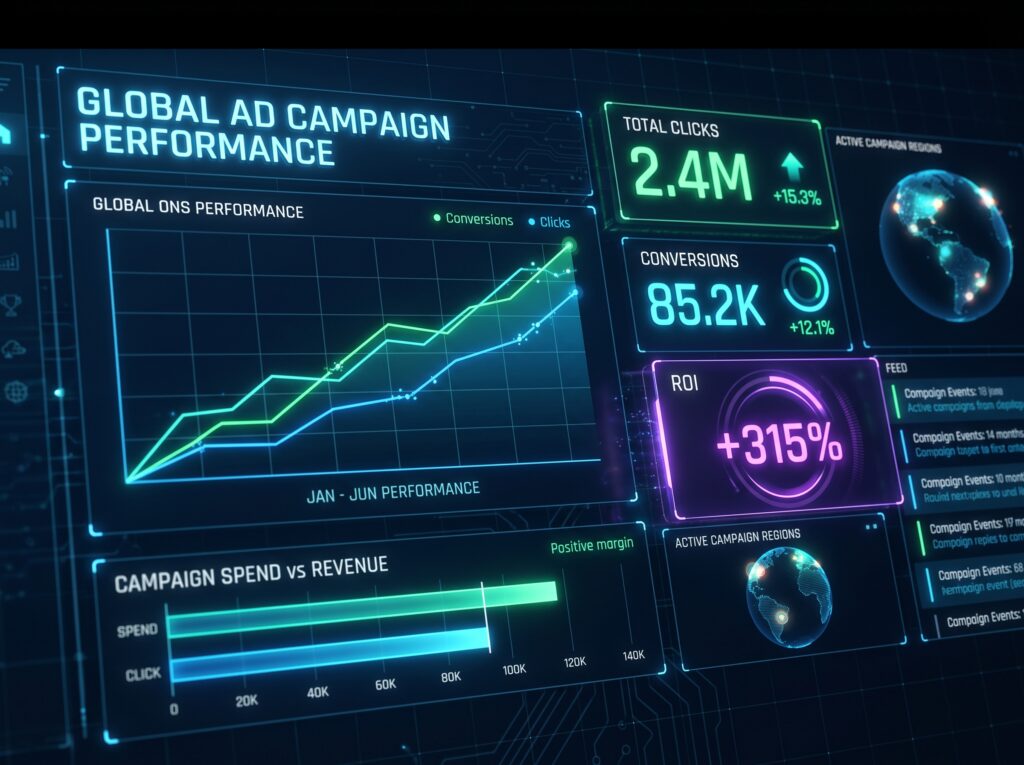
A marketing analyst studies data to understand performance, customer behavior, and campaign results. They look at metrics such as traffic, conversion rates, cost per lead, and return on ad spend.
This role suits people who enjoy numbers, dashboards, and decision-making based on evidence rather than guesswork.
Affiliate Marketing Specialist
Affiliate marketers promote products through partners, creators, or websites that earn commissions for results. This role combines content, partnerships, and performance marketing.
It can be a strong path for people who understand audiences, promotion, and conversion behavior.
Skills Required to Succeed
Digital marketing jobs reward people who can learn quickly and work with both creativity and data. The most useful skills include the following.
Communication Skills
You need to explain ideas clearly, write well, and work with different teams. Good communication matters in emails, reports, campaign briefs, and client conversations.
Writing and Content Skills
Many digital marketing roles involve writing. Even if you are not a full-time content creator, you will likely need to write headlines, captions, ads, or landing page copy.
Analytical Thinking
Digital marketing is measured constantly. You must be able to read data, notice patterns, and make decisions based on results.
SEO and Platform Knowledge
Search engines, social platforms, ad tools, and analytics software are core parts of the job. The more comfortable you are with these tools, the more valuable you become.
Creativity
Creative thinking helps you make campaigns stand out. This is especially important in social media, content, branding, and ad copy.
Adaptability
The field changes often. Algorithms shift, tools update, and user behavior evolves. People who adapt quickly usually grow faster.
Basic Technical Skills
You do not need to be a developer for most roles, but basic knowledge of CMS platforms, tracking tools, spreadsheets, and websites is helpful.
How to Start a Career in Digital Marketing
Starting a career in digital marketing is possible even without years of experience. The key is to build practical skills and show proof of work.
Step 1: Learn the Fundamentals
Begin with the core areas: SEO, content marketing, social media, paid ads, email marketing, and analytics. Understand what each channel does and how they support business goals.
Step 2: Pick One Specialty First
Trying to learn everything at once usually slows you down. Choose one area to focus on first. For example, you might start with SEO, content marketing, or social media management.
Step 3: Take Practical Courses
Free and paid courses can help, but choose ones that teach real-world skills. Look for lessons that include exercises, case studies, and tools you can actually use.
Step 4: Build a Small Portfolio
A portfolio matters more than theory. Create sample blog posts, ad ideas, social media calendars, keyword research reports, or email campaigns. If possible, volunteer for a small business, nonprofit, or personal project.
Step 5: Learn the Tools
Start using common platforms such as Google Analytics, Google Search Console, Google Ads, Meta Ads Manager, Canva, Mailchimp, and CMS tools like WordPress.
Step 6: Apply for Internships, Freelance Work, or Entry-Level Roles
Once you have some practical examples, start applying. Entry-level digital marketing jobs may include assistant roles, junior specialist roles, coordinator roles, or freelance gigs.
Step 7: Keep Improving and Tracking Results
Digital marketing is performance-based. Learn to measure results, improve campaigns, and document growth. That makes you more employable and more confident.
[Internal Link Placeholder: Best Digital Marketing Courses]
[Internal Link Placeholder: How to Build a Portfolio]

Remote Work Opportunities Worldwide
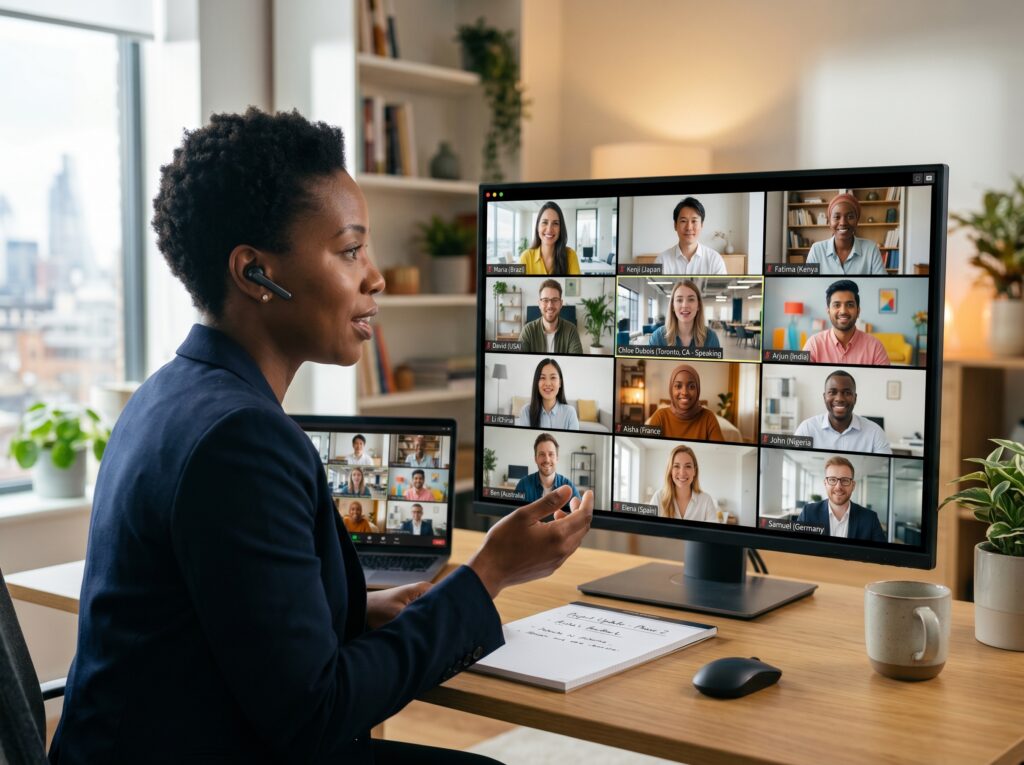
One of the biggest advantages of digital marketing jobs is remote work potential. Since most tasks happen online, many companies now hire people across borders.
Remote opportunities exist in:
- startups
- e-commerce brands
- agencies
- tech companies
- media companies
- nonprofits
- freelance marketplaces
- global service businesses
This flexibility is especially valuable for people in regions where local opportunities are limited. A strong digital marketer can work for clients or employers in North America, Europe, Asia, the Middle East, Africa, and Latin America without relocating.
However, remote work also has challenges. Time zones, communication habits, and competition can be difficult. That means reliability, clear reporting, and strong self-management are important.
Salary Expectations Globally
Salary levels for digital marketing jobs vary widely depending on location, role, experience, and company size. In general, professionals in larger markets tend to earn more, but remote work is changing that.
Here is a broad global overview:
Entry-Level Roles
Beginners may earn modest salaries at first, especially in local markets or internships. However, entry-level roles can be a strong launch point for future growth.
Mid-Level Roles
With a few years of experience, salaries usually rise significantly. Specialists in SEO, PPC, analytics, or content strategy often earn more than generalists because their skills are tied closely to revenue.
Senior and Managerial Roles
Experienced professionals and managers can earn strong salaries, especially if they lead strategy, run large budgets, or manage teams. Roles like digital marketing manager, growth marketer, and performance marketing lead are often well paid.
Freelance and Contract Work
Freelancers may charge by the hour, project, or monthly retainer. Income can vary a lot, but strong freelancers often earn more than salaried employees once they have a reliable client base.
The safest conclusion is this: digital marketing jobs can be low-paying at the start, but they often offer clear room for growth. Skill, specialization, and proven results usually lead to better pay.
Common Mistakes Beginners Make
Many new marketers make the same mistakes early on. Avoiding them can save time and frustration.
Trying to Learn Everything at Once
The field is broad. Beginners often jump between SEO, ads, social media, and email without mastering any one area. Focus creates faster progress.
Ignoring Data
Good marketing is not based on opinions alone. Always check results, test ideas, and measure outcomes.
Building Skills Without Building Proof
Certificates are useful, but employers want evidence. A portfolio, case study, or real project is more convincing than a long list of courses.
Copying Trends Blindly
Trends can help visibility, but not every trend fits every brand. Strategy should come before hype.
Poor Communication
Many beginners underestimate the value of clear updates, organized work, and professional reporting. These habits matter more than people think.
Neglecting SEO and Analytics
Even social media and paid ads benefit from SEO knowledge and data analysis. The best marketers understand how the channels connect.

Future Trends in Digital Marketing Careers
Digital marketing will keep evolving, and job demand will likely continue as businesses move more of their budgets online.
Artificial Intelligence
AI is already changing how marketers research, write, analyze, and automate tasks. Future professionals will need to know how to use AI tools wisely without losing originality or judgment.
Personalization
Generic marketing is becoming less effective. Brands now want more targeted messages based on user behavior, preferences, and buying stage.
Video-First Content
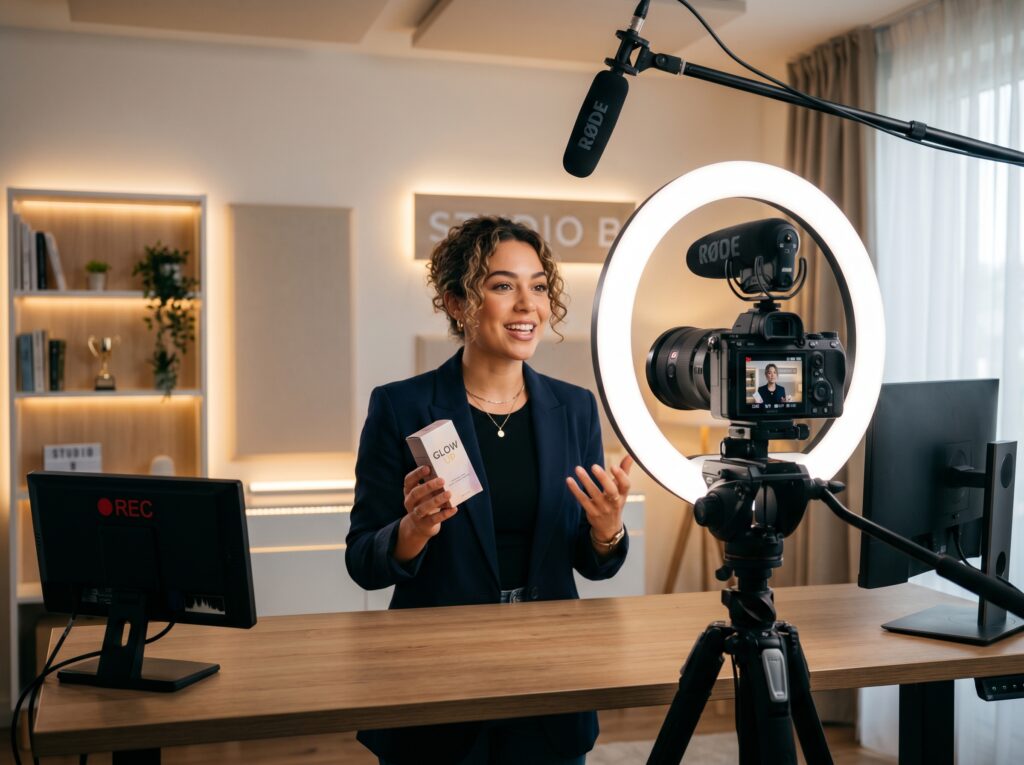
Short-form video continues to grow across platforms. Marketers who can plan, edit, and repurpose video content will stay competitive.
Stronger Privacy Rules
Tracking is becoming more limited in many regions. That means marketers must rely more on first-party data, better content, and smarter measurement.
Marketing and Sales Integration
Businesses increasingly want marketers who understand the full customer journey. The line between marketing, sales, and customer success is getting thinner.
Global Remote Hiring
Companies are expected to keep hiring talent from different countries. That means digital marketing jobs will remain accessible to people who can work well online and communicate professionally.

Final Thoughts
Digital marketing is one of the most practical and future-focused career paths available today. It combines creativity, technology, strategy, and measurable results. More importantly, it offers real opportunities for people around the world, including those looking for remote work, freelance income, or a career change.
If you are willing to learn, build skills, and show results, digital marketing jobs can lead to a stable and rewarding career. The field is competitive, but it is also wide open for people who take action and keep improving.
[Digital Marketing Interview Questions]
[Resume Tips for Marketing Jobs]
[ Freelance Marketing Guide]
- FAQs
1. What are digital marketing jobs?
Digital marketing jobs are roles that promote brands, products, or services through online channels such as search engines, social media, email, websites, and paid ads.
2. Do I need a degree to get a digital marketing job?
Not always. Many employers care more about skills, practical experience, and portfolio work than a formal degree. Certifications and projects can help a lot.
3. Which digital marketing role is best for beginners?
SEO, content marketing, and social media are often good starting points because they help beginners build useful skills and visible work samples.
4. Can digital marketing jobs be remote?
Yes. Many digital marketing jobs are remote-friendly because the work is done online. Freelance and international remote opportunities are also common.
5. Are digital marketing salaries good?
They can be, especially after you gain experience or specialize in high-value areas like SEO, PPC, analytics, or digital strategy. Entry-level salaries are usually lower, but growth can be strong.
6. What is the future of digital marketing jobs?
The future is likely to be shaped by AI, video content, personalization, privacy changes, and remote hiring. Marketers who keep learning will have the strongest opportunities.